



Knowledge Hub
El Niño: What is it and who is most at risk?

As world leaders prepare to gather for COP31, communities around the world are already facing the impacts of climate change.
One of the climate patterns that can have major consequences for vulnerable communities is El Niño. But what exactly is El Niño, how can it affect people's lives and what can be done to help communities prepare?
What is El Niño?
El Niño is a naturally occurring climate pattern that develops in the Pacific Ocean and can affect weather patterns around the world.
It happens when ocean temperatures in parts of the central and eastern Pacific become warmer than usual, influencing rainfall and temperatures in different regions.
El Niño does not affect every country in the same way. In some places it can increase the risk of drought, while in others it can bring heavier rainfall and flooding. It can also contribute to periods of extreme heat.
These changes can have serious consequences for people whose lives and livelihoods depend on predictable rainfall, access to water and agriculture.
Why does El Niño matter for people living in poverty?
For communities already living in poverty, conflict or displacement, a climate shock can be much harder to withstand.
A drought can mean crops fail, livestock die and families lose their source of income. Flooding can destroy homes, farmland and essential infrastructure. Water shortages can increase the risk of disease and make it harder for families to access food and clean water.
For someone already struggling to make ends meet, losing a harvest or livestock can have consequences that last long after the immediate crisis has passed.
Malawi: preparing for another climate shock
Malawi provides a stark example of why early action matters.
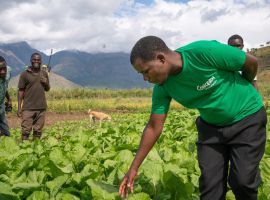
The country is highly vulnerable to droughts, floods and other climate shocks, with many people's livelihoods dependent on rain-fed agriculture. During the 2024 El Niño, severe dry conditions contributed to widespread crop losses and food insecurity.
Malawi is now preparing for another El Niño. Its government has warned of prolonged dry spells and inadequate rainfall across much of the country, alongside localised flood risks in some areas. Its national preparedness plan identifies anticipatory action, response planning and resource mobilisation as priorities.
Yet at the same time, UK aid to Malawi is being cut by 90% by 2028–29.
This matters because preparing for climate shocks requires investment before a crisis happens — in early warning systems, social protection and other measures that help communities withstand shocks.
Malawi shows the growing challenge facing climate-vulnerable countries: how can communities prepare for increasingly severe climate risks when the funding available to build resilience is being drastically reduced?
What does this have to do with COP31?
El Niño is a natural climate phenomenon, but it is occurring against a backdrop of climate change.
For communities already experiencing poverty and inequality, the question is not simply how to respond when a disaster happens, but how to prepare for the risks they face.
That is why COP31 matters.
The climate talks are an opportunity for governments to consider how climate finance can better reach the countries and communities most vulnerable to climate-related impacts.
At COP30, countries agreed to pursue a significant scaling-up of adaptation finance, including a call to triple adaptation finance to $120 billion per year by 2035.. COP31 provides an opportunity to turn these commitments into the delivery of climate finance that is accessible and effective for the communities facing the greatest risks.
For Concern, this means greater investment in adaptation and anticipatory action, alongside efforts to tackle the causes of climate change.

What should COP31 deliver?
More and better finance for adaptation.
The scale of adaptation finance needs to increase, but so does its quality. Funding should be predictable, accessible and appropriate to the needs of countries and communities facing the greatest climate risks.
Support for locally led adaptation.
Communities and local organisations should have meaningful influence over decisions about adaptation priorities and financing.
More investment in anticipatory action.
Early warning systems and pre-arranged funding can help communities act before a climate shock becomes a humanitarian emergency.
Climate finance that reaches the most vulnerable.
Funding should reach communities facing the greatest risks, including people already affected by poverty, conflict and displacement.
Preparing for the shocks ahead
El Niño is a reminder that climate-related risks do not exist in isolation.
For communities already living with poverty or crisis, another drought, flood or period of extreme weather can have devastating consequences.
But people do not have to wait for disaster to strike.
With the right information, resources and support, communities can prepare, protect their livelihoods and act before a crisis escalates.
As governments meet at COP31, climate finance must translate into practical support for the people and communities most exposed to climate risks.


